Autumn Sunflower Embroidery Design
A Cheerful, Grounded Motif That Feels Like Late Summer Light
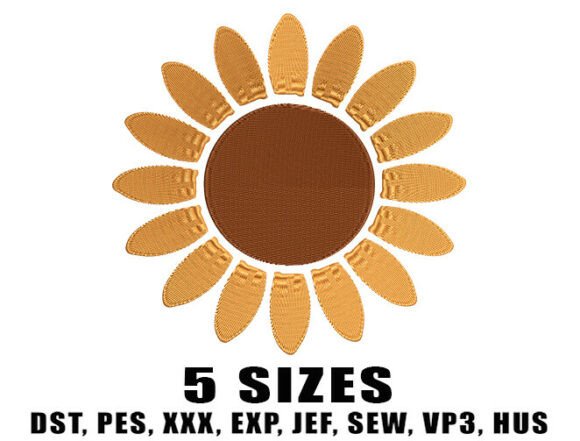
First impression? This isn’t a fussy, overly detailed botanical illustration—it’s a sunflower with presence. Bold petals, a slightly textured center, and clean outer lines give it warmth without clutter. It reads instantly at a glance, whether stitched on a linen tea towel or a heavyweight cotton tote. The design leans into its seasonal roots—think golden hour light, not pumpkin spice—but avoids cliché by keeping the shape generous and the energy open. It doesn’t scream “fall decor”; it invites you in. That balance makes Autumn Sunflower Embroidery Design unusually versatile: equally at home on a baby onesie for a September birth announcement or a boutique apron for a local coffee roaster.
Where It Shines in Real Projects
I recently prepped this design for a custom embroidered tote bag series—linen-cotton blend, medium weight, meant for farmers’ market vendors and studio artists. At Size 2 (4.8 inches), the motif filled the lower front panel beautifully: large enough to read from three feet away, but not so dominant it overwhelmed the fabric’s natural texture. The petal edges held crispness thanks to well-placed satin stitch definition, and the center used a subtle fill stitch that avoided bulk. No puckering, no thread nesting—just confident, cheerful clarity.
It also translated well onto a relaxed-fit sweatshirt (cotton-poly blend). I chose Size 3 (5.8 inches) centered on the back yoke. Because the design avoids tight internal detail—no tiny stamens or micro-veins—it stitched cleanly even across the slight stretch and loft of the fabric. Customers commented on how “bright but not childish” it felt—a rare win for sunflower motifs, which often tip into kitsch.
For smaller-scale uses, Size 1 (3.8 inches) worked cleanly on a set of kitchen towels—centered just above the hem, with contrasting mustard thread on natural linen. And yes, I tested it as an embroidered patch too: fused onto twill, then stitched with a tight satin border. Held up to light washing and repeated ironing without fraying or distortion.
Where to Proceed Thoughtfully
- Thin or slippery fabrics: On lightweight rayon or silk-blend scarves, the stitch density may show through more than desired—test with tear-away stabilizer and reduce top tension slightly.
- Curved surfaces like caps: The full petal spread works best on flat or gently contoured areas. Avoid placing it directly over the crown seam unless using Size 1 and adjusting placement to follow the curve.
- Dark or heavily textured backgrounds: While the design has strong outlines, very dense weaves (like heavy burlap or looped terry) can mute petal definition. A light cutaway stabilizer helps lift the stitches visibly.
- Products needing frequent washing: Baby onesies and kids’ tees are great candidates—but confirm thread colorfastness and use high-quality embroidery thread. The center fill area is dense enough to hold up, but avoid ultra-fine threads here.
What It Adds Beyond Stitching
This isn’t just a pretty motif—it quietly elevates perceived value. On handmade products, Autumn Sunflower Embroidery Design reads as intentional, not generic. It signals care in curation: the kind of detail that makes a customer pause mid-scroll on Etsy or pause at a craft fair booth. For small shop owners, it supports brand consistency without locking you into one season—pair it with neutral linens or muted denim, and it feels timeless, not dated.
Gift buyers respond to its emotional resonance: sunflowers carry warmth, resilience, and quiet optimism. That translates directly to giftability—especially for milestone moments (new parents, housewarmings, teacher appreciation) where sentiment matters more than trend.
Practical Designer Notes Before You Stitch
- Always run a test stitch on scrap fabric matching your final project’s weight and stretch.
- Check thread color contrast—not just on white, but on your actual background fabric. What reads bold on ivory may fade on oatmeal.
- Review stitch density in your embroidery software. If you see overlapping fill areas or long jump stitches, adjust settings before hooping.
- Confirm hoop size compatibility—especially if stitching multiple sizes in one batch. Size 3 may require a 6x10 hoop or larger.
- Inspect small details in black-and-white mockups. Does the center retain visual weight? Do petals read as distinct shapes?
- Use appropriate stabilizer: medium-weight cutaway for knits, tear-away for stable wovens, and lightweight fusible for delicate layers.
- If selling finished items commercially—or listing the digital embroidery file itself—verify licensing terms. Not all embroidery files permit resale of stitched goods or redistribution as design assets.
Final Thought: A Reliable, Radiant Workhorse
Autumn Sunflower Embroidery Design won’t surprise you with avant-garde structure or hyper-realism—and it shouldn’t. Its strength is in reliability, readability, and quiet confidence. It’s the kind of machine embroidery design you reach for when you need something that stitches cleanly, sells consistently, and makes your handmade product feel thoughtfully finished—not just decorated. Whether you’re building a craft business, personalizing gifts, or sourcing embroidery files for client work, this sunflower doesn’t shout. It glows.