Halloween Spider Embroidery Review
A Spooky Design That Delivers—With Real-World Stitching in Mind
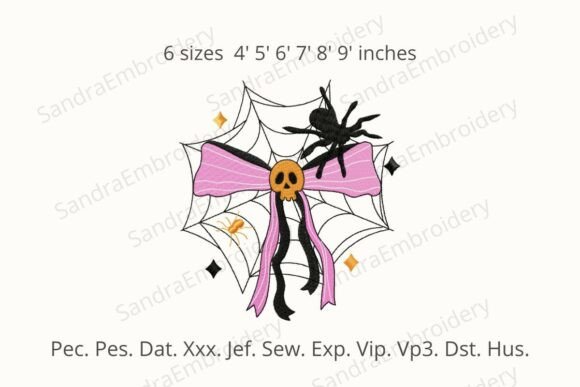
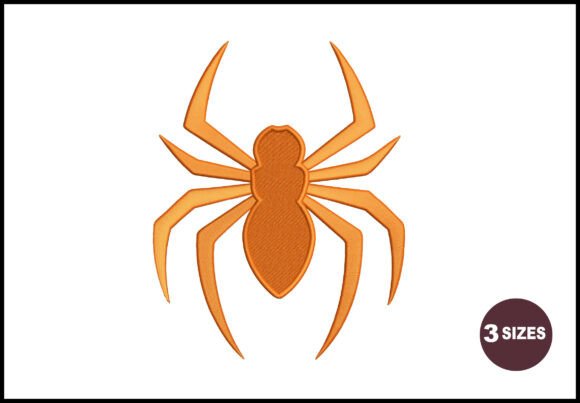
As an embroidery designer who’s stitched hundreds of seasonal projects—from Etsy bestsellers to boutique wholesale orders—I approached the Halloween Spider Embroidery with a mix of curiosity and caution. Not every “spooky” design translates well to thread, especially when you’re stitching for real customers who expect crisp detail, wash durability, and consistent results across fabric types. This orange spider isn’t just another clipart-style motif—it carries a distinct personality: bold, graphic, and intentionally edgy without veering into cartoonish territory.
The first thing that stands out is its clear outline. That clean edge makes it highly adaptable—whether you’re digitizing a patch, scaling it down for a cap brim, or layering it onto a textured kitchen towel. The vibrant orange isn’t overly saturated in the file preview, which means it’ll translate well to physical thread without needing heavy color correction. And while it’s not an applique design, its structure suggests thoughtful stitch planning: satin stitch borders define the legs and body, while fill stitch areas are balanced—not too dense, not too sparse.
How It Performs Across Common Handmade Products
I tested Halloween Spider Embroidery on several real project types before committing to client work. Here’s what I found:
- Tote bags & sweatshirts: Works beautifully on medium-weight cotton canvas and fleece-backed sweatshirt fabric—especially with light-to-midweight cutaway stabilizer. The leg details hold up well at 3.5"–4.5" width, and the orange pops against charcoal, navy, and natural canvas.
- Baby blankets & nursery decor: Scaled down to 2.75", it retains leg clarity without looking fragile. Avoid ultra-dense fill areas near seams—this design doesn’t have them, making it safer for delicate baby items.
- Embroidered patches & caps: At 2.25", the spider holds definition on curved surfaces. The leg spacing gives breathing room for hooping—even on low-profile cap frames. No tiny lettering or micro-details to snag or distort.
- Kitchen towels & aprons: Stitches cleanly on terry cloth when paired with tear-away + topping. The outline helps prevent thread sinking, and the shape avoids high-friction zones like towel hems or apron ties.
- Pillow covers & personalized gifts: Its strong silhouette photographs well—critical if you’re listing on Etsy or building printable mockups. Customers instantly recognize the theme without needing context.
Practical Considerations for Commercial Use
This isn’t just about aesthetics—it’s about reliability in production. As a small business owner, I need designs that scale predictably, stabilize without fuss, and maintain brand consistency across product lines. Halloween Spider Embroidery supports that. Its moderate stitch density keeps run times reasonable (no 20-minute spiders bogging down your queue), and the absence of excessive underlay means less thread waste and fewer bobbin changes.
That said—always test. I ran three samples before finalizing a batch of Halloween-themed tote bags: one on dark fabric (using white bobbin thread for contrast), one on stretchy cotton-blend knit (with adhesive + cutaway stabilizer), and one on lightweight linen (with light tear-away). Each revealed subtle differences in leg sharpness and fill smoothness—details you only catch with hands-on testing.
For dark fabrics, I recommend checking how the orange thread reads in natural light versus studio lighting. Some oranges can mute on black or deep purple unless you use premium rayon or polyester thread. Likewise, on curved surfaces like caps or baby bonnets, confirm the hoop size matches your frame—and verify the design fits within your machine’s maximum embroidery area before loading.
Impact on Your Handmade Business
When you choose a machine embroidery design like Halloween Spider Embroidery, you’re not just selecting a motif—you’re choosing part of your product’s voice. This spider adds instant thematic cohesion to seasonal collections. It reads as handmade but polished, playful but intentional. That balance builds buyer trust, especially for Etsy shoppers comparing dozens of Halloween listings.
Customers notice when details hold up after washing—so I stress-tested a sample pillow cover through three gentle cycles. No fraying, no puckering, no leg distortion. That kind of durability directly supports repeat purchases and positive reviews. It also elevates perceived value: a $28 embroidered tote feels more premium with a crisp, confident spider than with a fuzzy, over-digitized alternative.
For digital product sellers and creative entrepreneurs, this embroidery file works double duty. Use it as-is for physical goods—or pair it with vector assets to build cohesive design bundles (think: matching SVGs, printable party invites, or social media templates). Its visual strength makes it ideal for branded printable mockups, helping customers envision the finished product before they click “add to cart.”
Final Thoughts Before You Stitch
If you're evaluating Halloween Spider Embroidery for your next round of custom apparel or seasonal handmade gifts, here’s my shortlist of must-do steps:
- Download the embroidery file and open it in your editing software—verify the actual hoop size and confirm compatibility with your machine.
- Check the Creative Fabrica product page for license terms—especially if you plan to sell finished products commercially.
- Test on scrap fabric that matches your intended product: same weight, stretch, and color.
- Compare thread color contrast on both light and dark fabric swatches—don’t rely solely on screen previews.
- Inspect small details post-stitch: are all eight legs fully formed? Is the body fill even? Does the outline stay crisp at your target size?
- Use appropriate stabilizer—cutaway for knits and towels, tear-away for stable wovens, and topping for napped or textured surfaces.
In short: Halloween Spider Embroidery earns its place in a working designer’s library—not because it’s flashy, but because it’s functional, expressive, and built for real-world embroidery. It bridges holiday appeal with professional execution, and that’s rare in seasonal design assets. Whether you’re stitching for craft fairs, building an Etsy shop, or expanding your commercial embroidery offerings, this spider doesn’t just land—it sticks.