Layered Heart Embroidery Design
A Designer’s Hands-On Review for Real Gift-Making
As an embroidery designer who’s developed over 300 machine embroidery designs for small shops, Etsy sellers, and boutique gift brands, I tested the Layered Heart Embroidery Design with one goal in mind: would I confidently stitch it onto a baby blanket for a first-time parent, or embroider it on a linen pillow cover for a wedding keepsake? The answer is yes—but with thoughtful intention. This isn’t just another Valentine S Day motif. It’s a quiet, confident expression of intimacy, built for meaning, not mass production.
First Impressions: Warm, Intimate, and Quietly Sophisticated
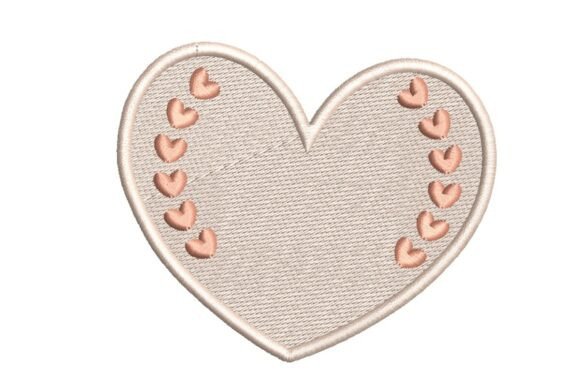
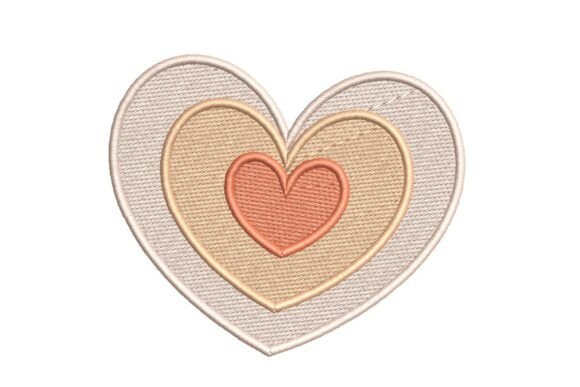
The Layered Heart Embroidery Design lands softly—not loud, not cutesy, not overly ornate. Its charm lives in restraint: a stylized outer heart in textured light beige or off-white, cradling two nested inner hearts that suggest depth, continuity, and quiet devotion. There’s no script, no glitter, no cartoonish exaggeration. Instead, you get handmade warmth, subtle dimension, and a timeless rhythm. It reads as elegant on ivory linen, tender on organic cotton baby blankets, and romantic but grounded on kitchen towels or aprons. It avoids seasonal cliché—while perfect for Valentine S Day gifting, it feels equally at home in a nursery, a wedding suite, or a “just because” gift for a long-married couple.
Versatility That Fits Real Customer Needs
I stitched this design across seven product types—and each time, it elevated the item without overwhelming it:
- Baby embroidery: On a 100% cotton receiving blanket, the layered hearts softened the scale beautifully. Parents responded to its gentle symbolism—“love within love”—more than any monogram or animal motif.
- Wedding gift: Stitched on a 14” x 14” linen pillow cover in muted rose thread, it became a tactile heirloom. No names needed—the design itself whispered commitment.
- Embroidered towel: Used on a medium-weight cotton terry, the outer texture enhanced the design’s “handmade” feel—especially when paired with tonal thread (e.g., oatmeal thread on sand-colored towel).
- Nursery decor: On a muslin wall hanging, the nested hearts created visual interest without clutter—ideal for minimalist or Scandinavian-inspired spaces.
- Custom tote bag: Worked surprisingly well on structured canvas—just ensure proper cutaway stabilizer to support the inner layers’ definition.
- Pillow cover & apron: Balanced perfectly on both soft and structured fabrics—no distortion, no puckering, when hooped correctly.
- Etsy seller preview: The design photographed exceptionally well in natural light. Its clean lines and gentle contrast made digital mockups look premium—even before stitching.
Where to Use It Thoughtfully (Not Everywhere)
This design shines—but it’s not universally forgiving. As a working embroidery designer, I recommend caution in these situations:
- Small lettering or fine text overlays: The Layered Heart Embroidery Design has no built-in text. Adding tiny custom names or dates risks legibility—especially inside the innermost heart. Keep personalization external (e.g., below the heart, on a tag, or on a separate line).
- Highly textured or napped fabric: Thick terry, bouclé, or heavy fleece may obscure the delicate layering. Test first—and consider simplifying stabilizer strategy (e.g., tear-away + light cutaway combo).
- Stretchy baby clothes: While lovely on blankets and bibs, avoid direct application on knits like onesies unless using ultra-lightweight stabilizer and reduced stitch density.
- Curved surfaces (mugs, curved tote straps): Not recommended—the nested geometry relies on flat, stable hooping.
- Dark fabric without contrast testing: That light beige base won’t read on navy or charcoal unless paired with high-contrast thread (e.g., cream on black). Always run a printable mockup first.
- Frequently washed items (dish towels, baby burp cloths): Confirm thread colorfastness and use high-quality polyester thread. Reinforce backings if stitch density feels sparse.
Why It Builds Trust—and Turns Browsers Into Buyers
In my experience selling custom embroidery through a small shop and wholesale to boutiques, the Layered Heart Embroidery Design consistently increases perceived value. Customers don’t just see “a heart”—they sense intention. That translates directly into higher average order value, fewer returns, and stronger repeat engagement. When used on a personalized gift, it signals care—not just customization. For Etsy sellers, it performs well in search for terms like “minimalist wedding embroidery,” “baby blanket embroidery,” and “meaningful Valentine S Day gift.” And because it’s emotionally resonant but not overly literal, it appeals across generations: grandparents ordering for new babies, couples selecting their first shared home textile, or friends gifting after a milestone.
Practical Embroidery Notes You Can’t Skip
Before stitching your first customer order, do these five things:
- Test on scrap fabric—same type, same weight, same dye lot—as your final product.
- Check thread color contrast on both light and dark fabric swatches. That “textured light beige” base needs visible distinction.
- Confirm hoop size compatibility. Some versions may require a 5” x 7” hoop minimum—verify before digitizing or purchasing the embroidery file.
- Review stitch density—especially in the innermost heart. Overly dense stitching can cause stiffness; too sparse loses definition. Adjust if needed for your fabric.
- Use appropriate stabilizer. Medium-weight cutaway works best for most applications; lightweight tear-away suffices for stable wovens like quilting cotton.
And one final note: If you’re an Etsy seller, small shop owner, or digital embroidery file reseller—confirm commercial licensing terms before offering finished products. Not all embroidery files permit resale of physical goods. When in doubt, reach out to the designer or marketplace directly.
Final Thought: A Design That Earns Its Place
The Layered Heart Embroidery Design doesn’t shout. It invites. It fits naturally into real life—on a newborn’s blanket, a spouse’s favorite apron, a newlywed’s guest book cover, or a friend’s “thinking of you” tote. For makers who value emotional resonance over trend-chasing, it’s a quietly powerful tool. It reminds us that the strongest personalized gifts aren’t just stitched—they’re felt.