Stylized Autumnal Flower with Droplets
A Craft Fair Designer’s First Look: Soft, Seasonal, and Surprisingly Versatile
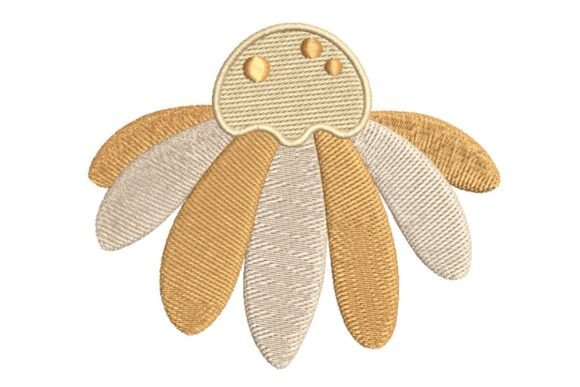
As an embroidery designer who’s prepped over 200 craft fair booths—from Portland makers’ markets to Midwest holiday bazaars—I know exactly what catches a shopper’s eye in under three seconds. The Stylized Autumnal Flower with Droplets Embroidery Design lands firmly in the “soft rustic elegance” lane: not too bold, not overly literal, and just detailed enough to feel intentional. It’s not a botanical illustration—it’s a mood. That textured beige or light brown central head suggests earthy warmth, while the droplets imply gentle rain, mist, or dew—making it quietly evocative of late-summer transition into autumn. It reads as handmade, thoughtful, and seasonally resonant without shouting “FALL!” like a pumpkin spice latte.
Where This Design Shines on Real Craft Fair Products
This isn’t a one-size-fits-all machine embroidery design—and that’s its strength. On tote bag designs, it works beautifully as a subtle side accent (3–4 inches wide) near the seam or centered low on the front panel. It adds quiet charm without competing with bold typography or branding. As apron embroidery, placed just above the pocket or centered on the bib, it feels artisanal and grounded—ideal for bakeries, florists, or herbal apothecaries selling at the same fair.
Tea towel embroidery is where this design truly sings. The droplets read clearly against linen or cotton weaves, and the stylized flower holds up even when stitched on slightly textured fabric—no bleeding or distortion if stabilizer is applied correctly. As an embroidered patch, it scales down well to 2.5 inches, retaining legibility and charm for jackets, denim vests, or kids’ backpacks. On caps, I recommend placing it on the front left panel—not the curved crown—since fine droplet details can compress or distort on tight curves.
For small pouches, pillow covers, and market bags, this design performs best at 3.5–4.5 inches. Too small, and the droplets blur; too large, and the central texture loses definition. As a handmade product for Etsy sellers, it photographs exceptionally well: soft lighting highlights the stitch texture, and the neutral palette ensures consistent color rendering across devices—critical for scroll-stopping printable mockups and digital listings.
Production Practicality: What Makes This Design Booth-Ready
The Stylized Autumnal Flower with Droplets Embroidery Design is refreshingly straightforward for batch production. It avoids tiny lettering, dense fill areas, or micro-stitching that would snag or require re-hooping mid-run. That means faster turnaround for your commercial embroidery orders—and fewer thread breaks during fair-week prep. Its clean silhouette reads instantly, even from six feet away, which matters when shoppers are scanning dozens of booths in under five minutes.
It also supports strong brand consistency. Whether you’re stitching it on ivory linen tea towels or oatmeal canvas totes, the design retains its character. And because it belongs to the Single Flowers category, it pairs effortlessly with other nature-based motifs—think leaf sprigs or minimalist branches—without visual competition.
Careful-Use Notes Every Embroiderer Should Know
- Dense stitch areas: The textured central head may require medium-weight cutaway stabilizer on lightweight fabrics—test on scrap first.
- Fabric texture: Works on textured towels, but avoid ultra-nubby weaves unless you increase underlay stitches or adjust tension.
- Dark fabric: Use high-contrast thread colors (e.g., cream or pale gold for droplets; warm taupe for the center) to preserve clarity.
- Small sizes: Below 2 inches, droplet definition fades—reserve smaller versions strictly for patches with simplified outlines.
- Curved surfaces: Not ideal for baseball cap crowns or deeply contoured pouches—stick to flat or gently rounded panels.
Design Assets That Boost Your Selling Power
When preparing this digital embroidery file for your booth or Etsy shop, invest time in real-world validation: create at least one physical mockup on your target fabric. Compare how it looks on natural linen vs. bleached cotton vs. brushed twill. Check thread contrast in both daylight and indoor fair lighting—many shoppers browse under fluorescent or track lighting. Confirm your hoop size accommodates the full design without awkward repositioning, and verify stitch density doesn’t cause puckering on your go-to stabilizer combo.
If you plan to sell finished products commercially, double-check licensing terms before listing on Etsy or wholesale platforms. Some machine embroidery design vendors restrict resale of stitched items unless you purchase an extended license—don’t risk a takedown mid-fair season.
Why This Design Strengthens Your Booth & Builds Buyer Trust
In a sea of glitter, neon, and maximalist patterns, the Stylized Autumnal Flower with Droplets Embroidery Design stands out by *not* shouting. It invites closer inspection. Customers pause, tilt their heads, and often say, “Oh—what’s that? Raindrops?” That moment of curiosity is your opening to share your story, explain your process, or suggest pairing it with matching aprons and tea towels.
It signals quality without premium pricing. Because it’s rooted in Embroidery tradition but styled with contemporary restraint, it appeals to both longtime craft fair shoppers and younger buyers seeking meaningful, non-trendy handmade goods. And unlike seasonal clichés, it transitions gracefully from late summer through Thanksgiving—extending your small shop product shelf life by eight weeks or more.
Final Thoughts From the Hoop
Before you load this embroidery file into your machine, remember: great craft fair products aren’t just about pretty designs—they’re about clarity, confidence, and consistency. The Stylized Autumnal Flower with Droplets Embroidery Design delivers all three. It’s easy to understand, reliable to stitch, and memorable to customers. Whether you’re an Etsy seller launching your first embroidered line or a boutique maker refreshing fall inventory, this design earns its place on your table—and in your buyer’s home.