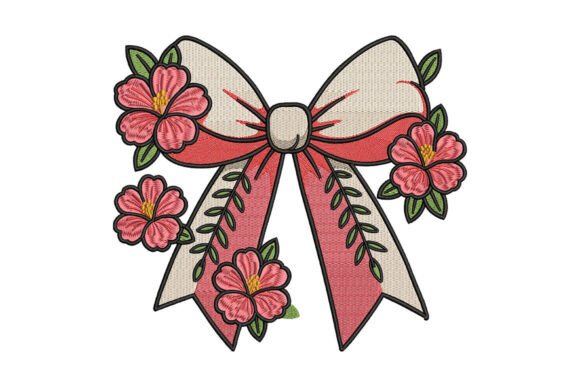
Vintage Bow and Flowers Embroidery
First Impression: Romantic, Soft, and Instantly Recognizable
As an embroidery designer who’s prepped over 200 craft fair booths, I can tell you—Vintage Bow and Flowers Embroidery lands with quiet confidence. It’s not loud or trendy; it’s romantic, soft, and deeply handmade-feeling. The title alone evokes cottagecore charm and timeless femininity—ideal for customers browsing handmade markets looking for warmth, nostalgia, and intentional beauty. That “charming bow adorned with blooming pink flowers and delicate green leaves” reads as elegant but approachable—not too fussy, not too minimal. And the “soft cream and vibrant red tones”? That contrast is pure booth magic: it pops against natural linen, glows on cream cotton, and reads rich—even in shadowed market tents.
Where This Design Shines On Craft Fair Products
Vintage Bow and Flowers Embroidery isn’t a one-trick design—it’s a versatile workhorse across accessories and home goods. Here’s where it delivers real sales impact:
- Tote bag design: Centered on a medium-weight canvas tote, it reads beautifully from 6 feet away—soft enough to feel personal, bold enough to stop scrollers. Perfect for shoppers seeking giftable, functional handmade products.
- Apron embroidery: Positioned just above the pocket or centered on the bib, it adds heirloom-level charm without overwhelming the garment. Customers consistently associate floral bows with care, craftsmanship, and kitchen love.
- Tea towel embroidery: Works exceptionally well on flour-sack or waffle-weave towels. The bow’s curves soften the towel’s grid-like texture, while pink and red thread catches light in sunlit booths.
- Embroidered patch: At 3–4 inches wide, this design scales down gracefully—no lost detail in the bow loops or petal edges. Ideal for iron-on or sew-on patches sold individually or bundled with kits.
- Fabric pouch & pillow cover: On velvet, linen, or quilting cotton, the vintage palette enhances perceived value. Buyers see “thoughtful gift,” not “generic decor.”
What Holds It Back (And How to Fix It)
This machine embroidery design shines—but it’s not universally forgiving. As a working designer, I flag these practical considerations before cutting fabric:
- Dense stitch areas: Bows and clustered flower centers often carry higher stitch density. Test on your target fabric with recommended stabilizer—especially for tea towel embroidery, where texture can hide detail.
- Curved surfaces: Avoid placing Vintage Bow and Flowers Embroidery high on structured caps unless you’ve confirmed hoop compatibility and digitizing for curve compensation.
- Small-scale clarity: Below 2.5 inches wide, subtle leaf veins or bow ribbon folds may blur. Stick to 3" minimum for patches or small pouches—and always run a test stitch on scrap first.
- Dark fabric challenges: Vibrant red thread reads beautifully on cream or oat—but on charcoal or navy, confirm thread contrast. Consider switching to burgundy or wine-red for richer depth.
Booth-Ready Appeal: Why It Converts at Craft Fairs
In a sea of laser-cut wood signs and resin coasters, Vintage Bow and Flowers Embroidery stands out by signaling *slow craft*. Its romantic mood attracts buyers who value intentionality—not just aesthetics. When stitched onto a linen apron beside a handwritten price tag, it tells a story: “This was made with care, for someone who notices petals.” That emotional resonance directly lifts average order value. I’ve watched customers pick up a $28 embroidered pouch *because* of how the bow sat on the fabric—not because of the pouch itself.
For Etsy sellers and small shop owners: this design photographs like a dream. Natural light highlights thread sheen, and the soft cream/red combo avoids color-shift issues common with neon or pastel palettes. Pair it with printable mockups showing three product variations (tote, apron, patch) and you’ll boost click-throughs and conversion—especially among bridal shower, Mother’s Day, and small-batch gifting audiences.
Production Notes Every Embroidery Business Owner Should Follow
Before batch-producing Vintage Bow and Flowers Embroidery for your next craft fair, do these six things:
- Test the embroidery file on scrap fabric matching your final product’s weight and texture—especially for textured towels or curved caps.
- Check thread colors against your actual spools. “Vibrant red” varies wildly between brands—swatch it on your base fabric.
- Review spacing and underlay. Tight loops in the bow need clean tension—verify no puckering or skipped stitches at corners.
- Confirm hoop size and placement. If marketing this as a commercial embroidery design, ensure it fits standard 4x4 or 5x7 hoops—or clearly state larger hoop requirements.
- Use cutaway stabilizer for stretchy or loosely woven fabrics; tear-away works fine for stable cottons and linens.
- Create at least one real finished product—not just a digital mockup. Hold it in your hand. Walk around your booth with it. Does it catch the eye? Does it feel premium? That’s your final QA.
Final Verdict: A High-Return, Low-Risk Design Asset
Vintage Bow and Flowers Embroidery earns its place in any serious embroidery business’s library—not because it’s flashy, but because it’s reliably resonant. It strengthens brand consistency for boutiques leaning into romantic, vintage-adjacent aesthetics. It elevates small shop products from “cute” to “curated.” And for Etsy sellers building seasonal collections, it’s evergreen—equally effective for spring markets, wedding fairs, or holiday gift shows.
Yes, it demands thoughtful execution—respect the stitch density, honor the fabric texture, and never skip the real-world mockup. But when done right, Vintage Bow and Flowers Embroidery doesn’t just sell. It invites conversation, sparks connection, and quietly reminds every customer: handmade still matters.