Elegant Bird Embroidery Design
A Designer’s First Glance: Grace, Not Gimmick
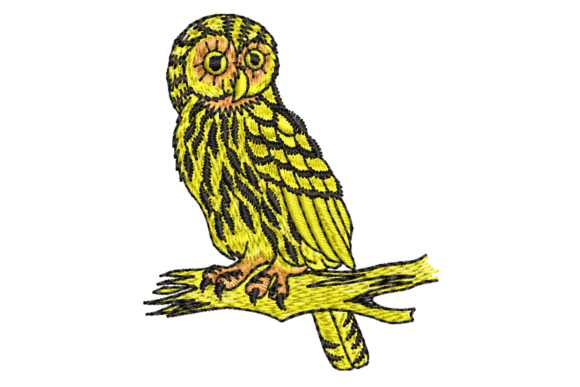
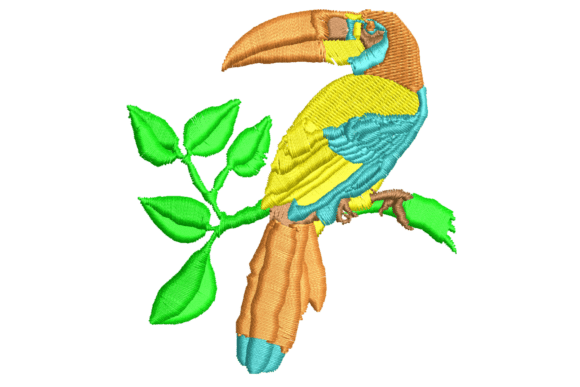
When I opened Elegant Bird Embroidery Design, what struck me wasn’t just the silhouette—it was the quiet confidence in its posture. Whether perched or mid-flight, this bird carries weightless elegance: a subtle curve in the wing, feather layers suggested—not spelled out—with satin stitch transitions and fine running stitch accents. It doesn’t shout. It invites closer looking. That’s rare in digital embroidery files, where detail often collapses into noise at small scales. As a designer who regularly sources for boutique apparel and nursery collections, I immediately saw its fit—not as filler, but as a signature motif.
Real-World Stitch Test: The Tote Bag Trial
Last week, I stitched Elegant Bird Embroidery Design onto a natural linen tote for a local maker’s holiday pop-up. We used medium-weight cutaway stabilizer, 40-weight polyester thread, and a 5” hoop. On that textured surface, the design held clarity without stiffness—the fill stitches settled smoothly, and the feather details remained legible (no “blobbing” at the wingtips). Customers paused. They ran fingers over the stitching. One asked, “Is that hand-done?” That’s the handmade product halo effect—and it starts with a design that respects fabric, thread, and human perception.
Where It Shines—And Where It Asks for Care
Elegant Bird Embroidery Design excels on stable, medium-to-heavy fabrics: canvas totes, cotton sweatshirts, tea towels, pillow covers, and structured aprons. Its balanced proportions scale well from 3.5” to 5.5” without losing definition. On baby onesies? Yes—but only with lightweight tear-away stabilizer and reduced stitch density (check your file settings; if density isn’t adjustable, test first). For caps or curved surfaces? Proceed thoughtfully: the bird’s clean outline works, but avoid placing the head or tail near seams or crowns where distortion risks softening those delicate edges.
It’s less ideal for ultra-thin fabrics like chiffon or highly stretchy knits unless paired with proper backing and careful hooping. On dark fabric, confirm thread color contrast—especially in the feather layering. A pale ecru thread may vanish on navy; a warm taupe or charcoal gray lifts it with intention. And while it’s not an applique design, its open negative space makes it adaptable for future hybrid work—say, adding a single embroidered branch or monogram beneath.
Commercial Use: Trust, Value, and Repeat Buyers
For Etsy sellers and small shop owners, Elegant Bird Embroidery Design supports brand consistency without feeling generic. It reads as intentional—not algorithmically trendy. When stitched on a kitchen towel set or a set of holiday gift tags, it conveys care, not clutter. That builds customer trust: buyers associate the motif with quality execution, not rushed production. I’ve seen similar designs fail commercially because they looked “too busy” on mockups—or worse, pixelated when scaled down for digital previews. This one holds up cleanly in printable mockups, even at thumbnail size. That matters for listing visibility and buyer engagement.
As a commercial embroidery asset, it also avoids overused tropes (think: cartoon robins or stiff heraldic eagles). It’s recognisable but not cliché—ideal for wedding guest towels, gender-neutral nursery decor, or minimalist boutique branding. Just remember: before selling finished items or reselling the digital embroidery file, verify licensing terms. The description says “add a touch of elegance and freedom”—but it doesn’t state usage rights. Always confirm.
Designer Notes You’ll Actually Use
- Test first—on scrap fabric matching your final project’s weight and weave. Linen behaves differently than combed cotton; fleece hides detail.
- Check thread color contrast in natural light—not just screen light. What looks crisp on your monitor may mute on oatmeal canvas.
- Review stitch density. If the file feels heavy in the chest or wing area, reduce density by 5–8% before stitching on lightweight garments.
- Confirm hoop size compatibility. Does it fit comfortably in your most-used hoop? Tight fits increase re-hooping risk—and misalignment ruins delicate feather lines.
- Inspect small details at actual stitch-out size. Zoom in on your embroidery software: are the beak and eye clear, or do they blur into a single fill?
- Try black-and-white mockups. If it reads well without color, you’ve got strong shape language—a sign it’ll translate across thread palettes and fabric tones.
- Use proper stabilizer: cutaway for knits and stretchy blends, tear-away for stable wovens, and no-show mesh for sheer layers.
- Compare light/dark backgrounds. A design that sings on ivory may disappear on charcoal—unless thread choice compensates.
Final Thought: Elegance Is a Choice, Not a Filter
Elegant Bird Embroidery Design doesn’t rely on embellishment to feel special. Its strength is restraint: thoughtful spacing, intentional line weight, and a sense of movement that survives the jump from screen to stitch. It won’t dominate a sweatshirt front—but it will make someone pause, smile, and say, “I want that.” That’s the quiet power of well-considered embroidery design. Whether you’re stitching personalized gifts, building a craft business, or curating digital design assets for resale, this bird earns its place—not as decoration, but as intention made tangible.