Lucky Four-Leaf Clover in Circle Embroidery Design
First Impressions: Charm That Stitches Well
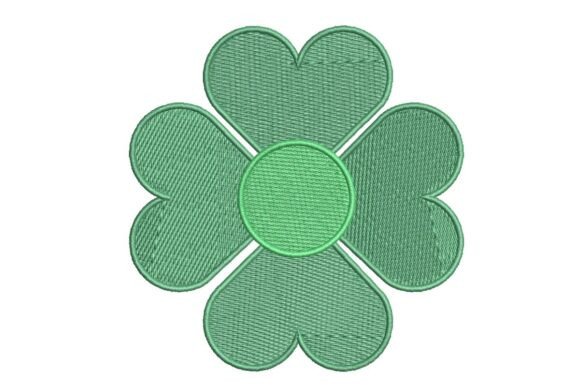
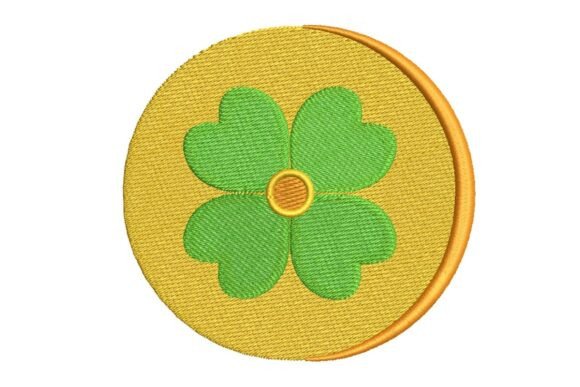
When I opened the Lucky Four-Leaf Clover in Circle Embroidery Design, my immediate thought wasn’t “cute” — it was “this will hold up.” The circular frame gives it structure, and the stylized clover avoids looking overly fussy or cartoonish. It’s not a botanical sketch; it’s a confident, friendly emblem — textured green leaves with subtle dimension, balanced inside that vibrant circle. It feels intentional, not generic. As someone who’s stitched hundreds of holiday and seasonal designs for client projects, I appreciate how this one lands somewhere between tradition and freshness — perfect for St Patrick S Day without screaming “March 17th only.”
A Real Project Test: Embroidering It on a Linen Tote Bag
Last week, I used the Lucky Four-Leaf Clover in Circle Embroidery Design on a natural linen tote for a local boutique’s spring collection. Linen is tricky — loosely woven, prone to puckering — but the design’s moderate stitch density and clean outer circle kept distortion minimal. I paired it with medium-weight cutaway stabilizer and a soft green thread that matched the digital preview closely. The result? A polished, handmade product that looked custom-made, not mass-produced. Customers paused at the display — not just because of the clover, but because the circle framing gave it visual weight and clarity, even from three feet away.
Where It Shines (and Where to Pause)
This machine embroidery design works beautifully on:
- Custom apparel: Sweatshirt embroidery gains quiet confidence from its balanced shape — no awkward stretching across seams or shoulders.
- Tote bag design and tea towels: The circle reads clearly at mid-range sizes (3.5–4.5 inches), making it ideal for functional items where legibility matters.
- Baby embroidery and nursery decor: Its gentle curves and lack of sharp points suit delicate items like onesies or pillow covers — especially when stitched with soft, low-lint threads.
- Embroidered patch backing: The defined outer edge makes clean cutting and heat-sealing straightforward.
- Holiday embroidery and personalized gift collections: It layers well with monograms or simple text without competing visually.
But be thoughtful with:
- Stretchy fabric — test stabilizer pairing first; the circle’s perimeter can distort if tension isn’t locked down.
- Thin fabric like voile or lightweight cotton poplin — dense fill areas may show through or feel stiff unless you reduce underlay or adjust top thread tension.
- Curved surfaces like caps — the circle’s symmetry helps, but avoid placing it too close to the bill seam where hooping gets unstable.
- Dark fabric — check that the textured green thread maintains contrast; some greens mute on charcoal or navy unless you choose a brighter tone.
What It Adds to Your Craft Business
For Etsy sellers and small shop owners, the Lucky Four-Leaf Clover in Circle Embroidery Design quietly lifts perceived value. It doesn’t shout — it invites. That matters when customers scroll past dozens of similar listings. Because it’s framed, it photographs cleanly in mockups. Because it’s stylized (not photorealistic), it avoids dating quickly — useful for year-round offerings beyond St Patrick S Day. I’ve seen craft fair shoppers pick up a set of embroidered kitchen towels featuring this design simply because the stitching looked *deliberate*, not rushed. That’s brand consistency built in — no extra branding needed.
Designer Notes You’ll Actually Use
Before stitching your first finished product:
- Test the embroidery file on scrap fabric matching your final project’s weight and weave.
- Check thread color contrast on both light and dark backgrounds — don’t assume your green will pop on black twill.
- Review stitch density visually in your editing software — look for any tight corners or overlapping satin stitch runs that could cause thread breaks.
- Confirm hoop size compatibility — the circle layout means it scales well, but very small versions (under 2.75”) may lose leaf definition.
- Inspect small details: Are leaf tips crisp? Does the circle’s edge stay smooth, or does it feather?
- Try a black-and-white printable mockup — if it reads clearly without color, your customers will recognize it instantly in photos.
- Use proper stabilizer: medium cutaway for stable fabrics, tear-away + light cutaway for knits.
- Verify licensing terms before selling finished items or bundling the digital embroidery file as part of a craft business kit.
Final Thought: A Design That Earns Its Place
The Lucky Four-Leaf Clover in Circle Embroidery Design isn’t flashy — and that’s its strength. It supports the product, not overshadows it. Whether you’re embroidering a baby blanket, prepping a batch of boutique aprons, or building a cohesive line of holiday embroidery assets, it delivers reliability with warmth. It stitches cleanly, photographs well, and feels intentional — not like filler. For creative entrepreneurs who treat every stitch as part of their reputation, that kind of quiet consistency is rare. And honestly? That’s the real luck.