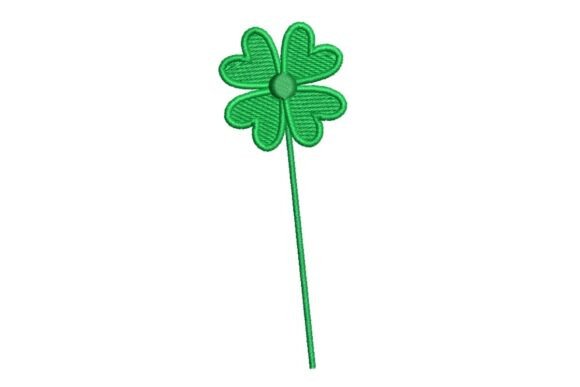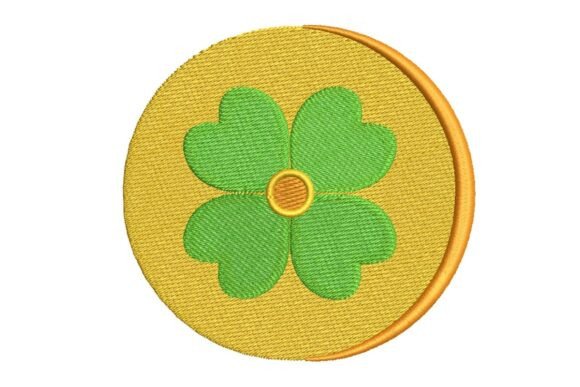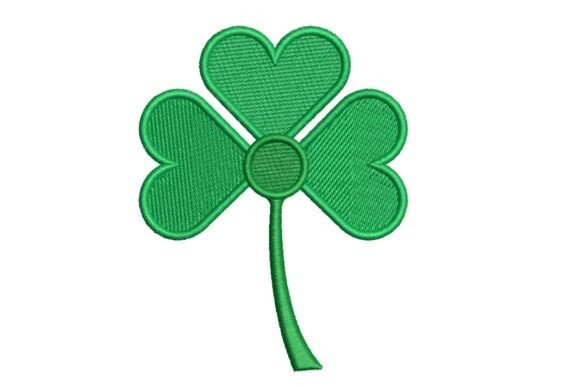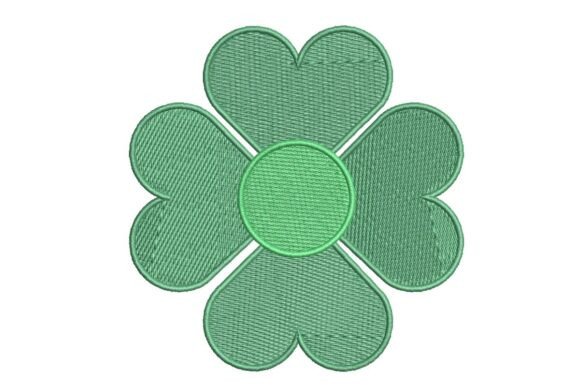
Stylized Four-Leaf Clover Embroidery Design
First Impression: Fresh, Friendly, and Festively Timeless
As an embroidery designer who’s prepped over 200 craft fair booths—from snowy winter markets to sun-drenched spring fairs—I instantly recognize when a design lands with quiet confidence. The Stylized Four-Leaf Clover Embroidery Design does just that. It’s not loud or cartoonish; it’s softly modern with a gentle folk-art soul. The heart-shaped leaves suggest warmth and intention—not just luck, but care. That “textured light green” description tells me this isn’t flat filler—it’s built for dimension, and the darker undertone hints at thoughtful shading. Visually, it reads as farmhouse-meets-festive: cozy enough for a kitchen towel, refined enough for a linen pillow cover, and unmistakably rooted in St Patrick S Day tradition without leaning into cliché.
Where It Shines: Craft Fair Product Realities
In the whirlwind of a weekend market—where buyers glance for under three seconds—clarity and charm win. Here’s how the Stylized Four-Leaf Clover Embroidery Design performs across high-impact handmade items:
- Tote bag design: Ideal as a centered chest accent or subtle corner motif. Its balanced symmetry draws the eye without overwhelming canvas or cotton duck.
- Apron embroidery: Perfect above the pocket or along the waistband. The heart-shaped leaves echo the soft curves of apron bibs—feels intentional, not slapped on.
- Tea towel embroidery: A standout on natural linen or unbleached cotton. The textured green plays beautifully against fabric texture—no need for dense fill stitches to read well.
- Embroidered patch: Highly viable. At 2.5–3 inches wide, it holds shape and detail without thread crowding. Great for sew-on or iron-on applications on denim jackets or market bags.
- Fabric pouch & pillow cover: Works elegantly as a single focal point—centered, scaled to 3.75"–4.5". Adds handmade value without demanding complex placement.
- Caps & curved surfaces: Use caution. The leaf contours are smooth, but avoid placing near the crown seam unless you’ve tested stitch pull on scrap baseball caps. Stick to front-panel placement only.
What Makes It Sell—And What Requires Care
This machine embroidery design succeeds because it’s instantly legible, emotionally resonant, and commercially flexible. Buyers don’t need to pause and decode it—they feel its goodwill before they even read your booth sign. That’s gold at a craft fair.
But practicality matters just as much as charm. Here’s what I check before cutting my first production run:
- Stitch density: The “textured light green” suggests layered satin or seed-stitch fills—not solid fill. That’s smart: reduces thread consumption, improves drape on lightweight fabrics, and minimizes stabilizer show-through on tea towels.
- Small-scale clarity: Below 2 inches, the subtle texture may blur. Avoid using it smaller than 1.75" on patches or zipper pulls unless you’ve verified sharpness on your machine.
- Dark fabric compatibility: That light green needs contrast. On charcoal or navy, confirm thread brightness in person—not just on screen. Consider a slightly brighter lime or mint thread variant for deeper backgrounds.
- Fabric texture interference: On heavily textured towels or burlap-blends, test whether the “textured” effect enhances or competes. Sometimes simplifying to clean satin stitch improves legibility.
Booth Impact & Buyer Engagement
Your craft fair table is a visual conversation—and the Stylized Four-Leaf Clover Embroidery Design speaks fluently. When grouped across product types (a matching set of embroidered tea towel + pouch + cap), it builds instant brand cohesion. Customers notice consistency before they notice price. It also photographs exceptionally well for Etsy seller listings: soft shadows, natural light, and clean backgrounds let the texture and shape shine. Pair it with a simple printable mockup showing three lifestyle scenes (kitchen counter, picnic basket, gift-wrapped pouch), and your online conversion rate will reflect that real-world appeal.
It subtly elevates perceived value too. Unlike generic script fonts or overused icons, this design feels curated—not mass-produced. That supports premium pricing for your handmade product, especially when paired with quality fabric choices like organic cotton or European linen.
Designer Notes You Can’t Skip
Before you load the digital embroidery file into your machine or list it as a small shop product, do these six things:
- Test on scrap fabric identical to your production material—especially for tea towels and caps.
- Check thread contrast in daylight and under booth lighting. Light green on ecru looks different than on oat or sage.
- Review spacing and underlay—tight leaf junctions can cause thread nesting if digitized poorly.
- Confirm hoop size and whether the design fits comfortably within your standard frame (no awkward re-hooping mid-stitch).
- Use appropriate stabilizer: tear-away for stable cottons, cut-away for knits or stretchy pouch fabrics, and ultra-lightweight for delicate linens.
- Create at least one real mockup—not just a digital preview. Drape it, hold it, fold it. Does the clover sit flat? Does thread catch on seams?
And one final note: If you plan to sell finished products commercially—or offer the embroidery file as a digital embroidery file—verify licensing terms. This Embroidery design carries symbolic weight and seasonal demand; ensure your usage rights align with your business model.
Final Thought: A Quiet Anchor for Your Spring Line
The Stylized Four-Leaf Clover Embroidery Design won’t shout—but it will linger. In a sea of busy patterns and trend-chasing motifs, its calm confidence makes it memorable. For craft fair sellers, handmade shop owners, and creative entrepreneurs, it’s more than decoration. It’s a versatile, emotionally intelligent asset—one that strengthens your booth story, deepens buyer connection, and quietly says, “This was made with thought.” That’s the kind of detail that turns browsers into repeat customers.